Thursday, September 28, 2023
Thursday, September 28, 2023
Thursday, September 28, 2023
10 Essential Interior Design Principles for a Beautiful Home
10 Essential Interior Design Principles for a Beautiful Home
10 Essential Interior Design Principles for a Beautiful Home
Elevate your home's aesthetic with these fundamental interior design principles, ensuring a beautiful and functional space.
Elevate your home's aesthetic with these fundamental interior design principles, ensuring a beautiful and functional space.
Elevate your home's aesthetic with these fundamental interior design principles, ensuring a beautiful and functional space.
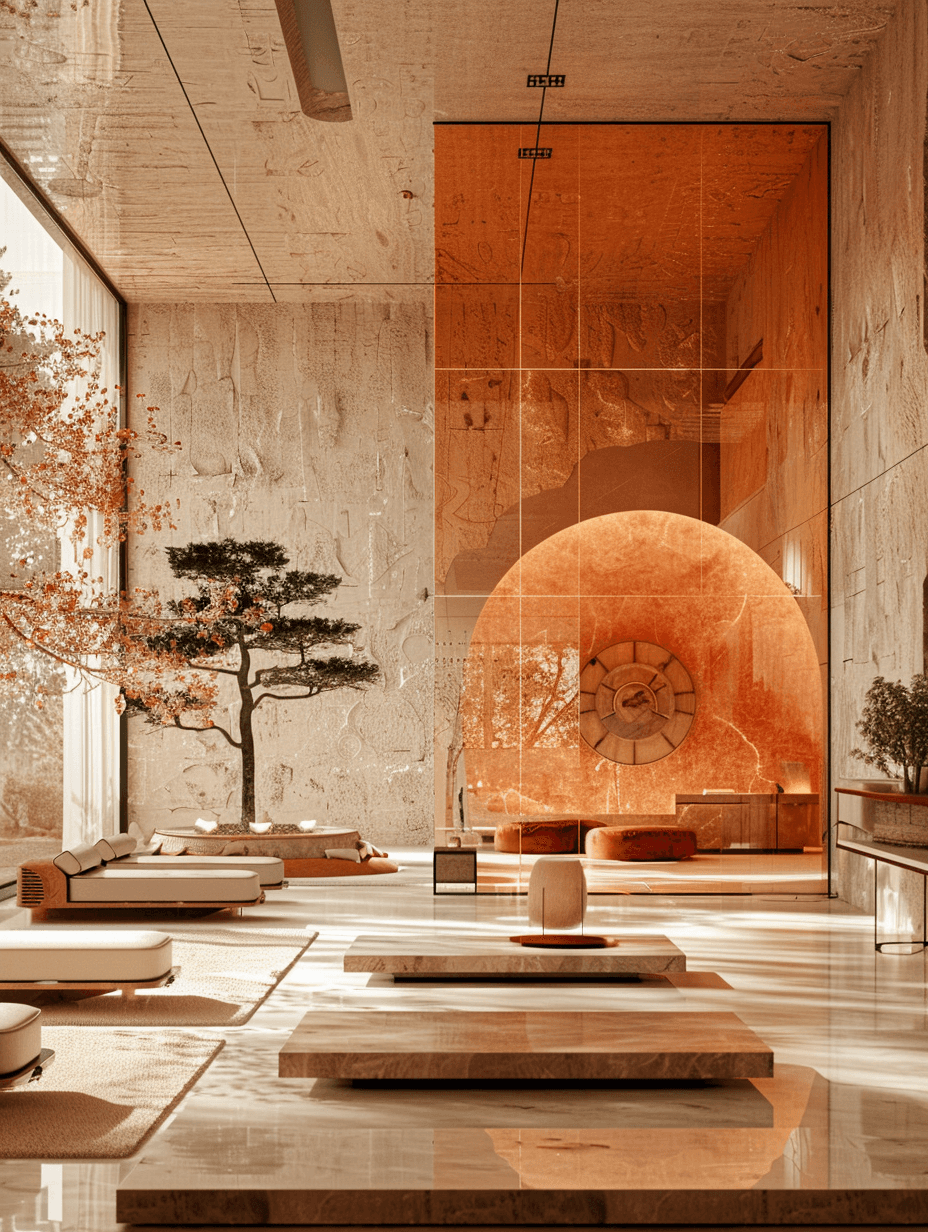
Creating a stunning home interior requires more than just taste; it demands a deep understanding of fundamental design principles. Here are 10 essential elements to guide your decorating journey:
1. Balance: Harmonizing Visual Weight
Achieving balance in your home's interior is crucial, as it creates a sense of equilibrium and visual stability. To achieve balance, distribute visual weight evenly throughout the room, combining heavy and light elements to create a harmonious atmosphere. Consider symmetry and asymmetry to add visual interest.
2. Proportion: Scaling Furniture and Décor
Ensuring furniture fits the room's dimensions is vital for a cohesive look. Use scaling guidelines, such as the 2/3 rule, to determine the ideal size for your furniture. Balance large pieces with smaller ones to maintain visual harmony.
3. Emphasis: Creating Focal Points
Create focal points in your room using statement pieces or bold colors to draw the eye and create visual interest. A clear visual hierarchy helps guide the eye through the space, emphasizing the room's purpose.
4. Movement: Directing Visual Flow
Directing visual flow is essential for creating a sense of movement in your room. Use lines, shapes, and patterns to guide the eye through the space, creating a clear path and drawing attention to focal points.
5. Pattern: Mixing Textures, Colors, and Shapes
Combining contrasting patterns adds visual interest to your room. Balance repetitive and random patterns, considering scale and proportion to avoid overwhelming the space.
6. Unity: Cohesively Tying Together Design Elements
Unity is achieved by using consistent color schemes, selecting harmonious textures and materials, and repeating design elements throughout the room. This creates a cohesive look and sense of continuity.
7. Contrast: Using Opposing Elements
Contrast adds depth and visual interest to your room. Combine light and dark colors, mix smooth and textured surfaces, and balance warm and cool colors to create a dynamic atmosphere.
8. Harmony: Blending Design Elements
Harmony is achieved by selecting complementary colors, using similar textures and materials, and balancing contrasting elements. This creates a soothing and calming atmosphere.
9. Scale: Considering Room Purpose and Furniture Size
Assessing the room's function is crucial for selecting furniture that fits its purpose. Choose furniture that is proportional to the room's dimensions and balances large and small pieces.
10. Functionality: Prioritizing Practicality
Ultimately, functionality is key to a beautiful and functional home. Consider user needs, select functional furniture, and ensure ease of movement to create a space that is both stylish and practical.
By incorporating these principles, you'll craft a beautiful, functional home that reflects your personal style.
Creating a stunning home interior requires more than just taste; it demands a deep understanding of fundamental design principles. Here are 10 essential elements to guide your decorating journey:
1. Balance: Harmonizing Visual Weight
Achieving balance in your home's interior is crucial, as it creates a sense of equilibrium and visual stability. To achieve balance, distribute visual weight evenly throughout the room, combining heavy and light elements to create a harmonious atmosphere. Consider symmetry and asymmetry to add visual interest.
2. Proportion: Scaling Furniture and Décor
Ensuring furniture fits the room's dimensions is vital for a cohesive look. Use scaling guidelines, such as the 2/3 rule, to determine the ideal size for your furniture. Balance large pieces with smaller ones to maintain visual harmony.
3. Emphasis: Creating Focal Points
Create focal points in your room using statement pieces or bold colors to draw the eye and create visual interest. A clear visual hierarchy helps guide the eye through the space, emphasizing the room's purpose.
4. Movement: Directing Visual Flow
Directing visual flow is essential for creating a sense of movement in your room. Use lines, shapes, and patterns to guide the eye through the space, creating a clear path and drawing attention to focal points.
5. Pattern: Mixing Textures, Colors, and Shapes
Combining contrasting patterns adds visual interest to your room. Balance repetitive and random patterns, considering scale and proportion to avoid overwhelming the space.
6. Unity: Cohesively Tying Together Design Elements
Unity is achieved by using consistent color schemes, selecting harmonious textures and materials, and repeating design elements throughout the room. This creates a cohesive look and sense of continuity.
7. Contrast: Using Opposing Elements
Contrast adds depth and visual interest to your room. Combine light and dark colors, mix smooth and textured surfaces, and balance warm and cool colors to create a dynamic atmosphere.
8. Harmony: Blending Design Elements
Harmony is achieved by selecting complementary colors, using similar textures and materials, and balancing contrasting elements. This creates a soothing and calming atmosphere.
9. Scale: Considering Room Purpose and Furniture Size
Assessing the room's function is crucial for selecting furniture that fits its purpose. Choose furniture that is proportional to the room's dimensions and balances large and small pieces.
10. Functionality: Prioritizing Practicality
Ultimately, functionality is key to a beautiful and functional home. Consider user needs, select functional furniture, and ensure ease of movement to create a space that is both stylish and practical.
By incorporating these principles, you'll craft a beautiful, functional home that reflects your personal style.
Creating a stunning home interior requires more than just taste; it demands a deep understanding of fundamental design principles. Here are 10 essential elements to guide your decorating journey:
1. Balance: Harmonizing Visual Weight
Achieving balance in your home's interior is crucial, as it creates a sense of equilibrium and visual stability. To achieve balance, distribute visual weight evenly throughout the room, combining heavy and light elements to create a harmonious atmosphere. Consider symmetry and asymmetry to add visual interest.
2. Proportion: Scaling Furniture and Décor
Ensuring furniture fits the room's dimensions is vital for a cohesive look. Use scaling guidelines, such as the 2/3 rule, to determine the ideal size for your furniture. Balance large pieces with smaller ones to maintain visual harmony.
3. Emphasis: Creating Focal Points
Create focal points in your room using statement pieces or bold colors to draw the eye and create visual interest. A clear visual hierarchy helps guide the eye through the space, emphasizing the room's purpose.
4. Movement: Directing Visual Flow
Directing visual flow is essential for creating a sense of movement in your room. Use lines, shapes, and patterns to guide the eye through the space, creating a clear path and drawing attention to focal points.
5. Pattern: Mixing Textures, Colors, and Shapes
Combining contrasting patterns adds visual interest to your room. Balance repetitive and random patterns, considering scale and proportion to avoid overwhelming the space.
6. Unity: Cohesively Tying Together Design Elements
Unity is achieved by using consistent color schemes, selecting harmonious textures and materials, and repeating design elements throughout the room. This creates a cohesive look and sense of continuity.
7. Contrast: Using Opposing Elements
Contrast adds depth and visual interest to your room. Combine light and dark colors, mix smooth and textured surfaces, and balance warm and cool colors to create a dynamic atmosphere.
8. Harmony: Blending Design Elements
Harmony is achieved by selecting complementary colors, using similar textures and materials, and balancing contrasting elements. This creates a soothing and calming atmosphere.
9. Scale: Considering Room Purpose and Furniture Size
Assessing the room's function is crucial for selecting furniture that fits its purpose. Choose furniture that is proportional to the room's dimensions and balances large and small pieces.
10. Functionality: Prioritizing Practicality
Ultimately, functionality is key to a beautiful and functional home. Consider user needs, select functional furniture, and ensure ease of movement to create a space that is both stylish and practical.
By incorporating these principles, you'll craft a beautiful, functional home that reflects your personal style.